
Urgency comes before medication
Dental pain becomes urgent when swelling spreads, breathing or swallowing changes, fever or severe illness appears, bleeding will not stop, or neurological and cardiovascular warning signs develop.
For non-emergency medication context, use the dental pain medication overview. This page is about recognizing when symptom relief should not delay direct assessment.
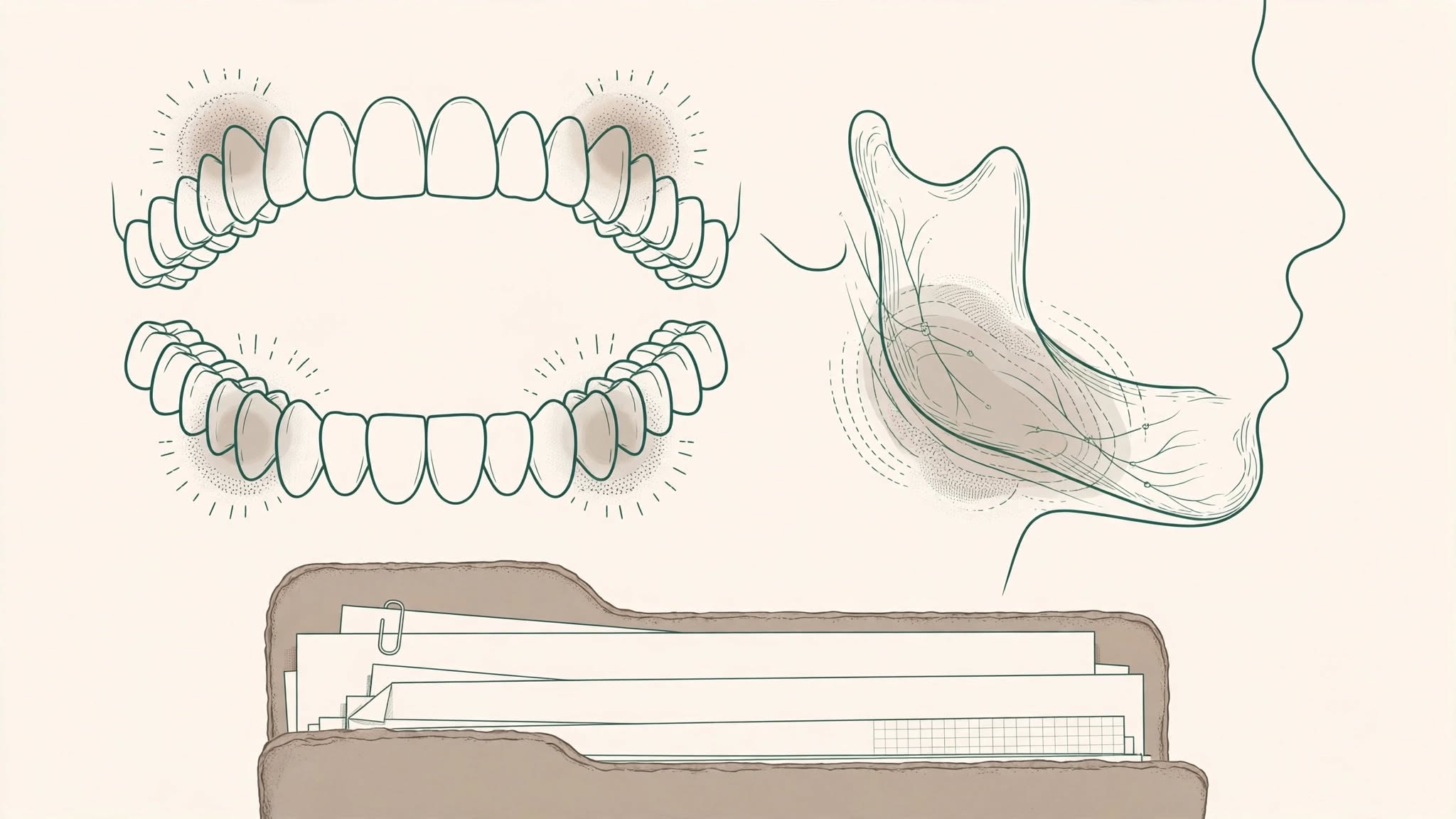
Call emergency services now
An online form, routine message, or request for a prescription is not an emergency response channel. Airway compromise and rapidly spreading infection require immediate in-person care.
Seek prompt dental evaluation
Fever, jaw or facial swelling, a gum swelling that resembles a pimple, unpleasant drainage or taste, difficulty opening the mouth, pain that is worsening, or pain that returns after initial improvement can indicate a problem requiring direct dental care. A pain reliever may reduce the signal without changing the source.
The sister guide to dental pain after treatment explains why procedure-specific instructions and symptom direction are more useful than a universal recovery timeline.
Medication warning signs can overlap with dental symptoms
Facial swelling may come from infection or an allergic reaction. NSAIDs can cause gastrointestinal bleeding, cardiovascular events, kidney injury, or severe skin reactions. Antibiotics can cause serious hypersensitivity and severe diarrhea. Report the exact medicine, timing, and symptoms instead of assuming every change is caused by the tooth.
The NSAID safety checks lists the health-history and duplication risks that matter before using this drug class.
What not to do while waiting
- Do not place aspirin or another chemical directly on gum tissue.
- Do not combine ibuprofen, naproxen, ketorolac, diclofenac, or celecoxib on your own.
- Do not use leftover antibiotics or another person’s prescription.
- Do not postpone care because medicine briefly lowers the pain.
Why masking the symptom can delay the right care
Pain intensity can fall after an NSAID while infection, pressure, or structural damage remains. That temporary relief is not a diagnostic test. Repeatedly changing medicines can also add adverse-effect risk and make it harder to report what has happened. If the underlying pattern is worsening, the safest next step is an examination rather than another product.
Keep a brief timeline of symptom changes and medicines used. This is especially useful when swelling appeared after the pain, when pain returned after a procedure, or when a new rash, stomach symptom, breathing change, or faintness followed medication.
General education only. If breathing, swallowing, consciousness, severe bleeding, or rapidly spreading swelling is affected, seek emergency care.
Official sources
- MedlinePlus tooth abscess overview, reviewed February 2026.
- ADA acute dental pain guideline.
- FDA NSAID safety information.

Medically reviewed by
Jodi Segal, MD, MPH
Internal medicine, health services research, and medication safety
Medical review completed: August 27, 2026