
Prescription access after a dental decision
Cephalexin prescription access online is a sequence of separate decisions: a dentist evaluates the infection, a prescriber determines whether this medicine fits the patient, a licensed pharmacy validates and dispenses the prescription, and the patient records charges and follow-up instructions. Payment never guarantees that a prescription will be issued.


Medically reviewed by
Infectious diseases and antimicrobial stewardship
Medical review completed
The four checkpoints in a cephalexin access pathway
-
Dental assessment. The dentist identifies the likely source and urgency, then decides whether remote information is enough or hands-on care is needed.
-
Medicine-specific decision. The prescriber considers the infection, allergy history, current medicines, health conditions and the current cephalexin label.
-
Licensed dispensing. The prescription moves to an identifiable pharmacy that requires a valid prescription and provides pharmacist access.
-
Cost and follow-up. Evaluation, pharmacy, coverage and delivery charges remain itemized, with a clear route for questions or worsening symptoms.
Choose the branch that matches the next decision
Clinical readiness
The online dentist cephalexin evaluation branch lists the findings, images, allergy details and medication records that may be needed before a prescribing decision.
Pharmacy identity
Use the licensed pharmacy checks for cephalexin to verify the dispenser, prescription requirement, pharmacist access and supplied label.
Charges and benefits
The cephalexin cost and coverage questions separate the clinical visit, pharmacy amount, insurance response, delivery and follow-up terms.
Medicine-specific transaction
The existing cephalexin prescription page after dental evaluation remains the sole owner of the purchase and brand search intent.
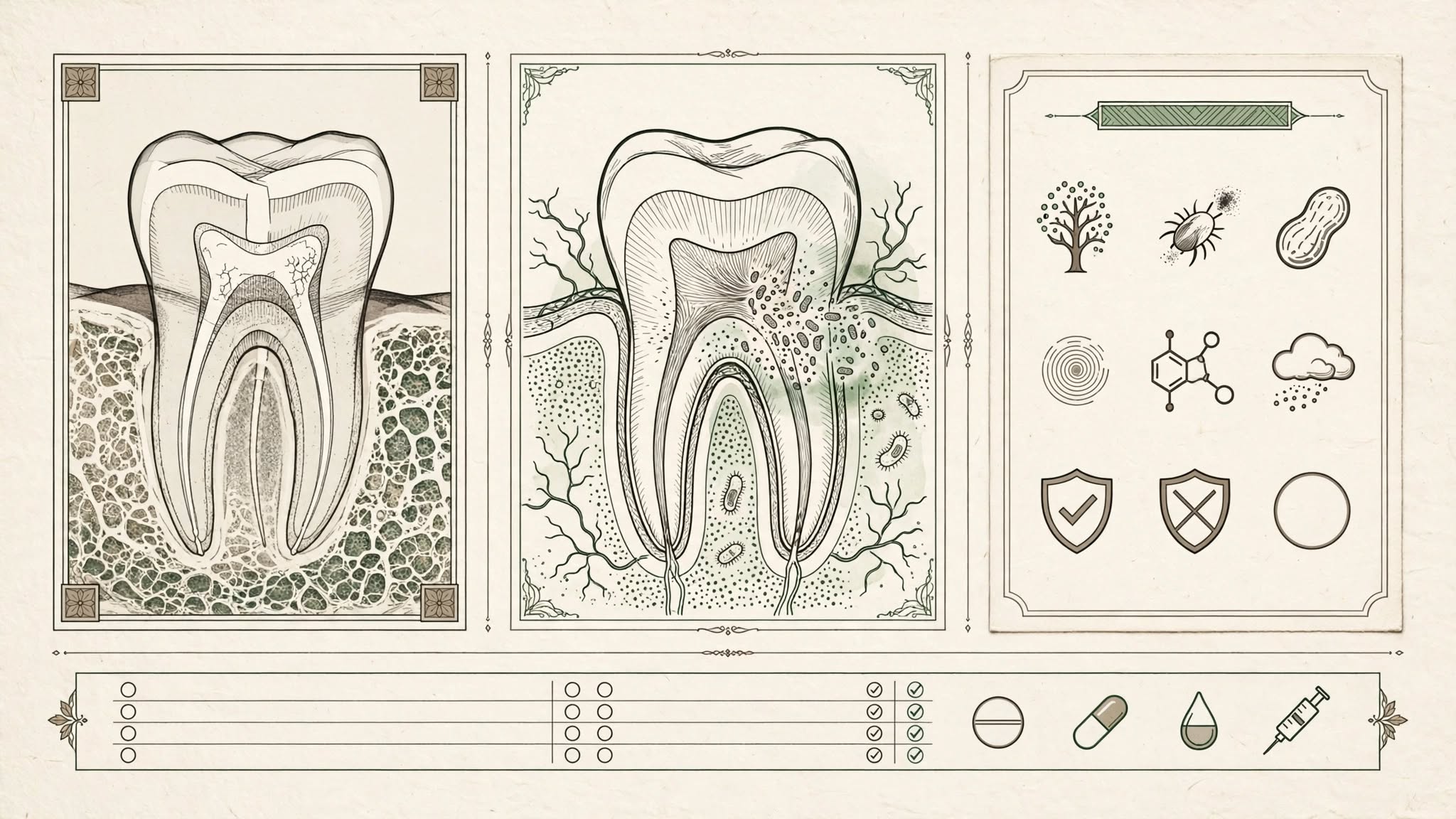
What each organization is responsible for
| Checkpoint | Primary responsibility | Useful record |
|---|---|---|
| Dental service | Diagnosis, urgency and treatment setting | Care plan |
| Prescriber | Indication, contraindications and interactions | Prescription decision |
| Pharmacy | Validation, product label and counseling access | Receipt and label |
| Insurer | Benefit rules and patient responsibility | Coverage response |
| Patient | Accurate history, monitoring and escalation | Current medicine list |
Cephalexin safety still depends on the current label
Cephalexin is a prescription cephalosporin antibiotic used for susceptible bacterial infections. It does not repair a damaged tooth, drain an abscess or replace a dental procedure. The prescriber should know about prior penicillin or cephalosporin reactions, kidney problems, pregnancy information, current medicines and significant gastrointestinal history. The current label describes adverse effects and interaction considerations; individual instructions come from the treating clinician and dispensing pharmacist.
Common mistakes
- Choosing a medicine before diagnosis
- Hiding a previous serious allergy
- Treating checkout as prescription approval
- Skipping the pharmacy license check
- Delaying required dental treatment
When routine access is the wrong channel
Rapidly enlarging facial or neck swelling, trouble breathing or swallowing, severe weakness, confusion, or signs of a serious allergic reaction need urgent medical assessment. A checkout page and routine message queue are not emergency services.
Keep one record from assessment through follow-up
A fragmented online process can leave the patient with several confirmations that describe different parts of the transaction. Keep the dentist’s decision, prescription details, pharmacy identity, coverage response, receipt and follow-up route together. This makes it possible to resolve a label mismatch, an insurer question, a delayed fulfillment issue or a new symptom without relying on a marketing summary. Date each record and note which organization supplied it, because the clinic, pharmacy and insurer may update their information on different schedules.
Before dispensing
Confirm that the pharmacy received the prescription actually issued by the clinician. Compare the patient name, prescriber, medicine, directions and quantity with the available order record. Ask the pharmacist about an unexpected substitution or missing information before the medicine is supplied.
After dispensing
Keep the labeled container, patient leaflet, receipt and pharmacist contact. Follow the clinician’s instructions and use the stated follow-up route when symptoms persist, the dental source has not been treated, or an adverse effect appears. Do not change the plan from a website summary.
Questions patients often ask about the access sequence
Can payment secure a cephalexin prescription?
No. Payment may cover an evaluation or service, but the prescription decision remains clinical. The dentist or other authorized prescriber may determine that an examination, image, procedure, different medicine or no antibiotic is the appropriate next step.
Can the pharmacy decide whether cephalexin is appropriate?
The pharmacy validates and dispenses a prescription and provides counseling. It does not replace the dental diagnosis or the prescriber’s medicine selection. The pharmacist can identify label problems, interaction concerns and questions that should return to the prescriber.
What if the dental problem needs a procedure?
The access pathway should direct the patient to appropriate dental treatment. An antibiotic cannot repair decay, restore a tooth or complete a needed procedure. Delaying source treatment can leave the underlying problem unresolved even when symptoms temporarily change.
Primary sources
- American Dental Association: dental pain and swelling
- DailyMed: current cephalexin labeling records
- FDA: locate a state-licensed online pharmacy
This material explains access checkpoints and does not diagnose an infection, select an antibiotic, issue a prescription or replace care from a dentist.